
Understanding Camping Arch Visibility and Its Importance
When venturing into the wilderness, one must prioritize both safety and comfort. A key element in achieving this balance is understanding camping arch visibility and its significance. For every adventurer, the clarity of your camping gear—particularly tents and shelters—plays a pivotal role. This visibility ensures not only ease of setup but also enhances safety, especially during adverse weather conditions or in unfamiliar terrains.
Imagine embarking on a trek through the rugged landscapes of Utah, known for its breathtaking vistas and unpredictable weather. As twilight descends, the ability to locate and identify your tent quickly becomes essential. A tent with highly visible arches or reflective elements stands out, reducing the risk of disorientation. In an emergency, this visibility could be the difference between safety and peril, allowing rescuers to spot your location more easily.
Moreover, camping arch visibility contributes to efficiency. Setting up camp in low-light conditions can be a daunting task, particularly if you’re fatigued after a long day of hiking. Tents equipped with bright-colored or luminous arches simplify the process, allowing you to focus more on enjoying the surrounding nature rather than struggling with your equipment.
Adventurers should consider investing in gear that prioritizes visibility, ensuring a safer and more enjoyable outdoor experience. By understanding these elements, you can better prepare for your next adventure.
Key Factors Influencing Camping Arch Visibility
When it comes to camping, visibility is an often overlooked yet crucial element, especially when setting up an archway—a common feature in many outdoor adventures. Understanding the key factors that influence camping arch visibility can enhance both safety and aesthetics, ensuring a seamless and enjoyable camping experience.
1. Location Selection
The location of your camping arch plays a significant role in its visibility. Ideally, the arch should be placed in an area that is free from obstructions like dense foliage or uneven terrain, which could obscure its view. Opting for a flat, open space not only makes the arch more visible but also aids in easier navigation around the campsite. Consider natural lighting and how it changes throughout the day; positioning the arch where it can catch the morning or evening sun can enhance its visibility and appeal.
2. Material and Design
The materials and design of the camping arch significantly affect its visibility. Brightly colored materials or reflective elements can make the arch stand out even in low-light conditions. Moreover, opting for unique designs that contrast with the natural surroundings can further increase visibility. Using materials that are durable against weather elements like rain or wind is also essential to maintain the arch’s structural integrity and visibility.
3. Lighting Solutions
Strategically placed lighting can greatly enhance the visibility of a camping arch. Solar-powered lights or LED strips can be attached to the arch to illuminate it during dusk or nighttime. This not only makes the arch more visible but also adds a charming ambiance to the campsite. Selecting lighting solutions that are energy-efficient and easy to install can provide the perfect balance of functionality and aesthetics.
Understanding and implementing these factors can transform your camping arch from a simple functional structure to a central focal point of your campsite. With the right considerations, your arch can guide campers safely and create a memorable atmosphere.
Tips for Enhancing Visibility in Different Camping Scenarios
Venturing into the wilderness offers an exhilarating escape from the hustle and bustle of daily life, yet it presents challenges that require strategic preparation. One key aspect of ensuring a safe and enjoyable camping experience is enhancing visibility, whether you find yourself in a dense forest, an open field, or by the lakeside.
Choosing the Right Lighting Equipment
Visibility can be significantly improved through the selection of appropriate lighting equipment. Headlamps are an excellent choice for hands-free illumination, offering convenience during nighttime hikes or setting up camp after dusk. Opt for models with adjustable brightness and red light settings to preserve night vision.
Reflective Gear and Clothing
In scenarios where natural light is minimal, wearing reflective clothing or accessories can enhance your visibility to others. This is particularly useful if you’re camping with a group, as it aids in keeping track of each other in low-light conditions.
Using Lanterns and Campfires Wisely
Lanterns are indispensable for illuminating larger areas such as dining spaces or common gathering spots at a campsite. Choose LED lanterns for their energy efficiency and long-lasting battery life. Additionally, a safely managed campfire not only provides warmth and a place for social gathering but contributes to ambient light, enhancing visibility across the campsite.
Strategic Camp Placement
Finally, consider the strategic placement of your campsite. Setting up near naturally occurring reflective surfaces like water bodies or rock faces can naturally boost visibility. Ensure that your tent is visible from common trails or paths to prevent accidental intrusions by fellow adventurers.
Choosing the Right Camping Gear for Optimal Visibility
Embarking on a camping adventure comes with its set of challenges, and one of the most crucial aspects to consider is ensuring optimal visibility throughout your journey. The right camping gear not only enhances your outdoor experience but also ensures safety, particularly when navigating in low-light conditions. Whether you’re setting up camp at dusk or embarking on a night-time hike, having the proper equipment is indispensable.
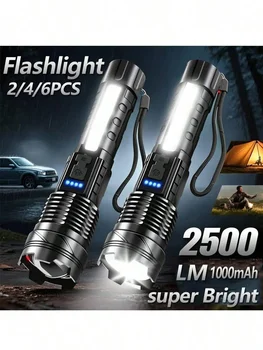
First and foremost, prioritize a reliable headlamp. Unlike handheld flashlights, headlamps offer the advantage of keeping your hands free, enabling you to engage in various activities such as setting up tents or cooking without the worry of losing light. Opt for models with adjustable brightness settings and red-light modes to preserve night vision. This is particularly useful for reading maps or engaging in late-night conversations without disturbing your fellow campers.
Additionally, consider investing in camp lanterns. These provide wide illumination, perfect for use inside tents or around the campsite. Modern lanterns often come with rechargeable batteries, making them both eco-friendly and cost-effective. Lightweight and compact designs are ideal for backpackers who need to minimize their load.
Reflective gear can also play a significant role in enhancing visibility. Items such as reflective vests or tapes can alert others to your presence, which is particularly beneficial in crowded camping areas or when crossing roads. For those who enjoy night-time hikes, wearing brightly colored clothing with reflective strips can significantly reduce the risk of accidents.
In conclusion, choosing the right camping gear is essential not only for comfort but also for ensuring safety. By equipping yourself with quality headlamps, lanterns, and reflective gear, you can explore the great outdoors with confidence and peace of mind.
Important Safety Considerations for Camping Visibility
When embarking on a camping adventure, ensuring visibility is paramount, not only for the enjoyment of the experience but also for safety. Whether you’re nestled in the dense forests of Utah, or trekking across expansive landscapes, maintaining visibility can significantly reduce risks and enhance your outdoor experience. Here’s what every adventurer should consider:
1. Essential Gear for Enhanced Visibility
Proper gear is vital in ensuring that you remain visible during your camping trip. Headlamps, flashlights, and lanterns are indispensable, especially during night hikes or when setting up camp after dusk. Opt for LED options, as they are energy-efficient and provide robust illumination. Additionally, reflective clothing and accessories, such as vests or bands, can greatly increase visibility to others in low-light conditions.
2. Setting Up Camp Safely
When choosing a campsite, it’s crucial to consider the visibility of the location. Avoid areas that are overly shaded or obscured by dense foliage. Instead, opt for open spaces where natural light can enhance visibility during the day. At night, strategically place lanterns around the campsite to illuminate paths and potential hazards.
3. Awareness of Weather Conditions
Weather conditions can drastically affect visibility. Fog, rain, and snow can obscure vision, making it challenging to navigate. Always check the weather forecast before your trip and prepare accordingly with waterproof and reflective gear. In adverse conditions, it might be wise to delay activities until visibility improves.
Maintaining visibility is a key aspect of camping safety, ensuring that you and your fellow adventurers can navigate the wilderness securely. Remember, a well-prepared camper is a safe camper.



0 Comments